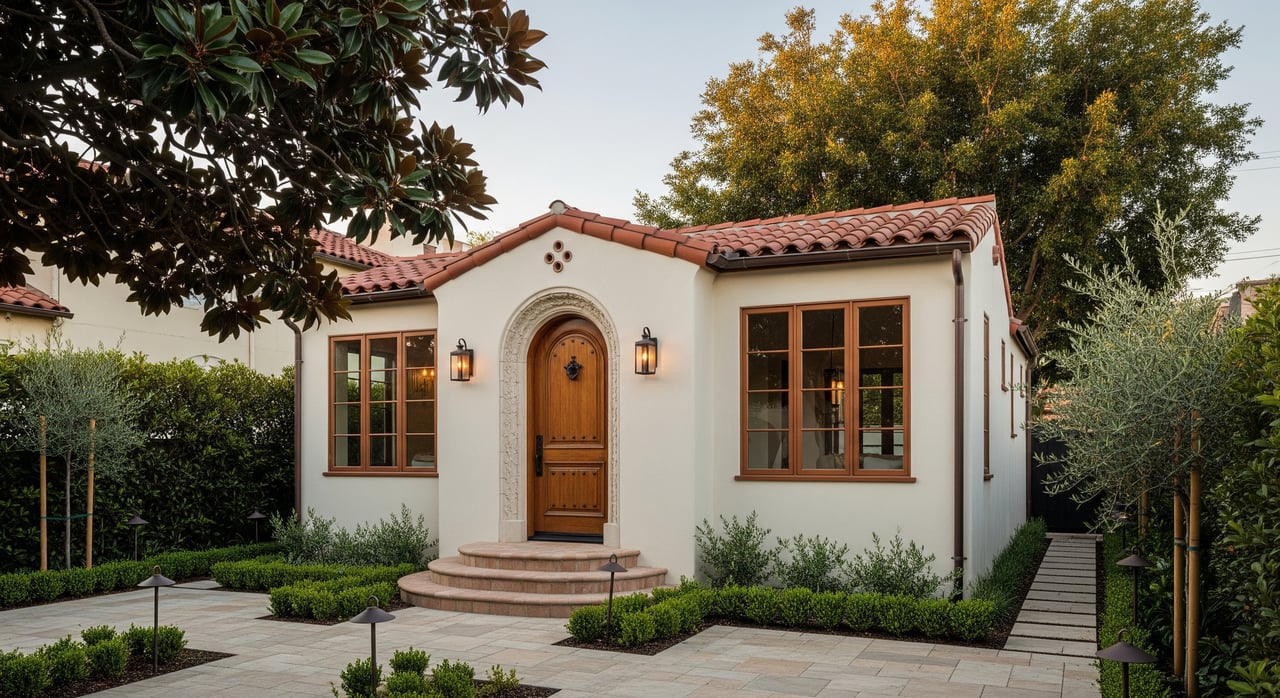
ADU Basics For Hancock Park Homeowners
December 4, 2025
December 4, 2025
Thinking about a backyard rental or guest house in Hancock Park but unsure how it fits within HPOZ rules? You are not alone. ADUs can add income and flexibility, yet the path in a historic district can feel complex. In this guide, you will learn the basics of ADUs in Los Angeles, how Hancock Park’s HPOZ affects design and approvals, what timelines and costs to expect, and practical next steps to move forward with confidence. Let’s dive in.
An accessory dwelling unit is a self-contained home on the same lot as your primary residence. You can build a detached unit, attach one to your house, or convert existing space like a garage or basement. A junior ADU is a smaller unit created within the main home with specific size and plumbing limits.
ADUs provide flexible space for long-term rental income or multi-generational living. In Los Angeles, they are common because state and local policies have opened pathways to build them on many residential lots.
California laws adopted since 2017 streamlined ADUs statewide. They set a baseline right to add an ADU in most residential zones and limit local barriers such as excessive parking, setbacks, and some owner-occupancy rules. Cities can apply objective standards, review plans, and manage permits.
Because Hancock Park is within Los Angeles, you will follow City ADU rules and permits. The Department of Building and Safety handles building permits and plan check. City Planning verifies zoning compliance. Most compliant ADUs are reviewed ministerially, which reduces discretionary delays.
You can generally pursue an ADU if you meet objective standards. Since Hancock Park is an HPOZ, you also need to consider historic review for exterior changes. Interior conversions with minimal exterior impact tend to be the simplest path.
Converting existing space within the home can be the fastest route. Many projects qualify for streamlined, ministerial review when exterior changes are minimal. This approach often avoids complex HPOZ design issues.
Attaching an ADU or converting an existing garage is also common. If you meet objective size, setback, and height standards, approvals are typically ministerial. Some exterior changes may require HPOZ staff review if visible from the street.
A detached unit can deliver the most privacy and design flexibility. It remains eligible for ministerial approval if you meet standards, but HPOZ design review will apply when it is visible from the public right of way. Expect more design coordination to ensure compatibility.
HPOZ contributors typically undergo more careful review for exterior changes. Non-contributors may have more flexibility, though compatibility still matters. Confirm your property’s status early.
Exterior work visible from public streets usually triggers HPOZ review. Interior conversions or rear-yard changes with limited visibility may process more quickly. Site planning that prioritizes the rear yard is often favorable.
Expect guidance on roof pitch, windows, materials, and siting. The goal is compatibility with the district’s character while allowing a clear distinction between old and new. Preserving primary facades and mature landscape is a common priority.
State ADU laws encourage ministerial approvals. Los Angeles applies objective HPOZ standards to protect historic resources without prohibiting ADUs. Early design alignment reduces revisions and time.
Total budgets combine hard construction, design and engineering, HPOZ design work, permit fees, and utility connections. Detached new construction typically costs more than internal or garage conversions. Custom historic-compatible details can add expense.
For timing, interior conversions can be ready in weeks to a few months depending on plans and agency workload. Detached ADUs that require HPOZ review commonly take several months to a year from design through construction.
An ADU can generate steady income, support multi-generational living, or increase overall property value. In a high-demand area like Hancock Park, a well-designed, fully permitted ADU that respects curb appeal often resonates with buyers. The premium depends on design quality, legal compliance, and market conditions.
If you want a clear plan that respects Hancock Park’s character and your bottom line, schedule a development-savvy consult. We will review your lot, HPOZ status, ADU options, and a ballpark budget and timeline so you can move forward with confidence. Connect with Nick Hertz to get started.
Stay up to date on the latest real estate trends.
Real Estate
Explore the Latest Inspirations and Styles Shaping Beverly Hills' Homes
Real Estate
Discover Prime Locations for Property Investment in Beverly Hills
Lifestyle
Exploring the Hidden Gems of Korea Town, LA
Real Estate
Essential Smart Home Upgrades for West Hollywood Living
Since the beginning of my real estate career 20 years ago, I have held true to one promise above all else: to act as an advocate for my clients. Now a longtime local of LA County, I’m familiar with the impressive luxury market and more determined than ever to buy or list your home or condo with seamless skill.